 Bridge Construction Hub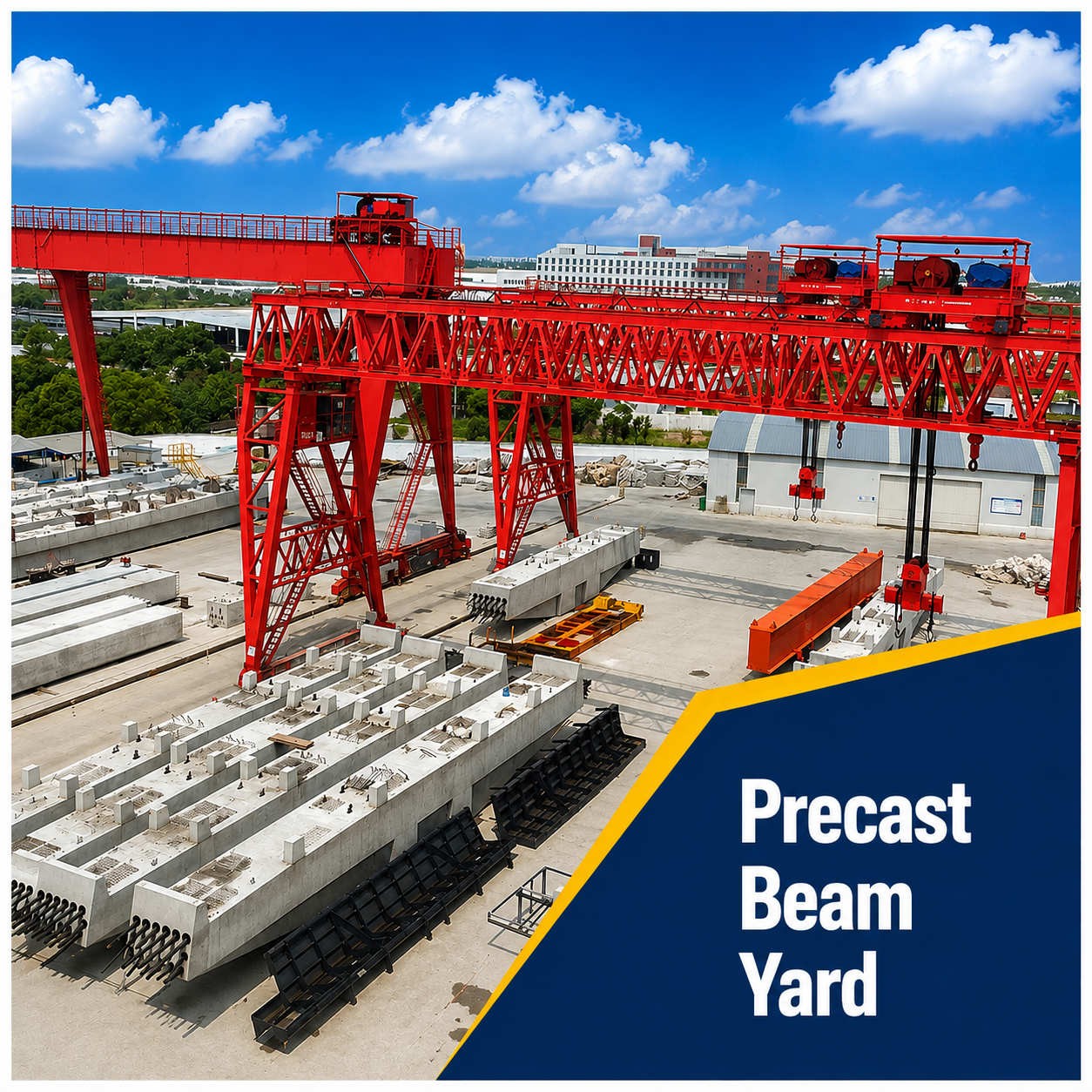
Precast Beam Yard
Precast Beam Yard Solutions for Bridge Construction Projects
A well-organized precast beam yard is an essential part of many bridge construction projects. It provides the facilities required for precast beam production, handling, storage, inspection, and transportation to the bridge construction site.
The planning and operation of a precast beam yard require careful consideration of beam production, lifting equipment, storage capacity, transportation routes, and project construction schedules. Based on practical bridge construction experience, BridgeConstructionHub provides technical knowledge and sourcing support related to precast beam yard setup, handling equipment, beam storage, transportation, and preparation for girder erection.
1. Precast Beam Yard Planning
A precast beam yard should be planned according to the project requirements, beam dimensions, production capacity, and erection schedule.
Key considerations include:
Yard layout and site access
Beam production area
Reinforcement and formwork areas
Concrete casting area
Beam storage area
Lifting and handling zones
Internal transportation routes
Drainage and temporary facilities
Electrical and water supply
Safety and traffic management
A well-planned yard can improve production efficiency and reduce unnecessary handling and transportation.
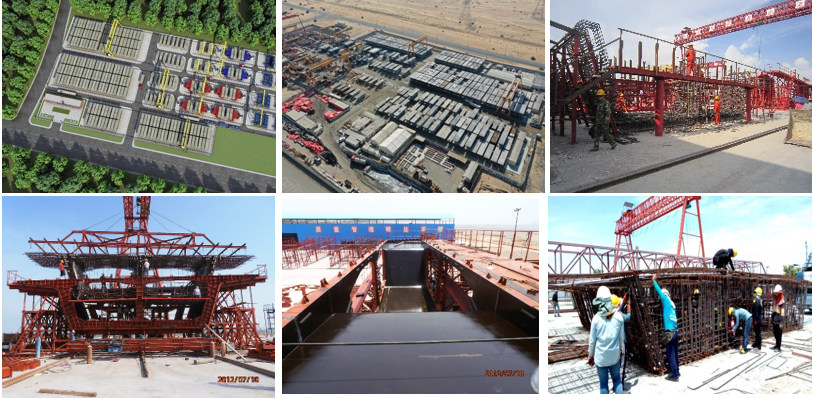
2. Precast Beam Production
Precast beams are normally produced in a controlled environment before being transported to the bridge construction site.
Typical activities include:
Reinforcement Preparation
Reinforcement cutting and bending
Rebar cage assembly
Installation of reinforcement
Installation of embedded components
Formwork Preparation
Formwork installation
Dimensional inspection
Cleaning and release agent application
Formwork adjustment
Concrete Casting
Concrete preparation
Concrete placement
Vibration and compaction
Surface finishing
Initial inspection
Curing and Inspection
Concrete curing
Strength testing
Dimensional inspection
Visual inspection
Final acceptance
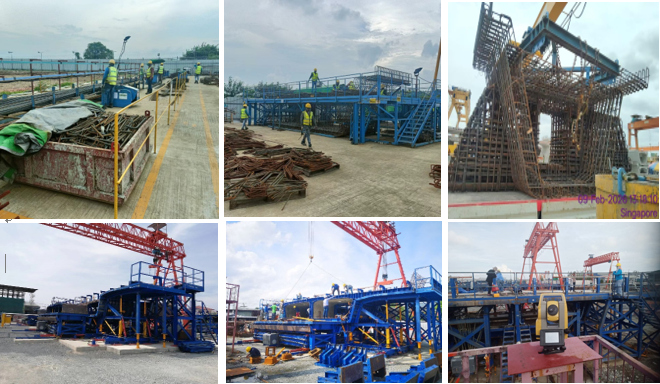
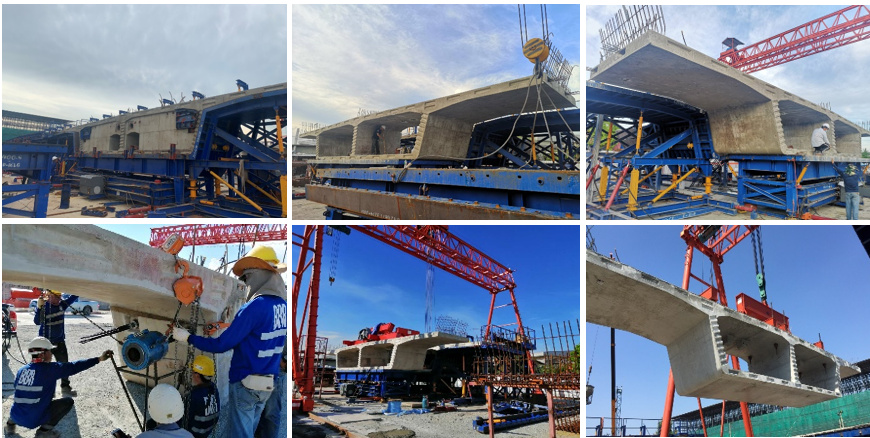
3. Beam Lifting and Handling
Heavy precast beams require suitable lifting equipment and carefully planned handling procedures.
Typical equipment includes:
Gantry Crane
Overhead Crane
Lifting Beam
Hydraulic Jack
Lifting Accessories
Slings and Shackles
Important factors include:
Beam weight
Lifting capacity
Lifting points
Crane capacity
Lifting height
Working radius
Ground conditions
Proper lifting procedures help prevent damage to precast beams and reduce safety risks.
4. Precast Beam Storage
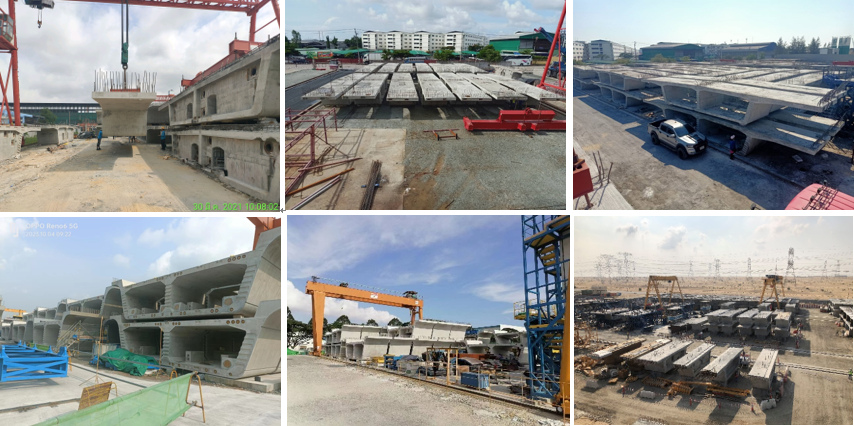
After production and inspection, precast beams may need to remain in the yard until they are ready for transportation and erection.
Proper storage requires:
Stable supporting points
Correct beam orientation
Suitable spacing
Adequate access for lifting equipment
Regular inspection
The supporting arrangement should be carefully considered to prevent excessive stress, deformation, or damage to the beam.
For long beams, storage planning is particularly important because the beam may remain in the yard for an extended period before erection.
5. Beam Transportation
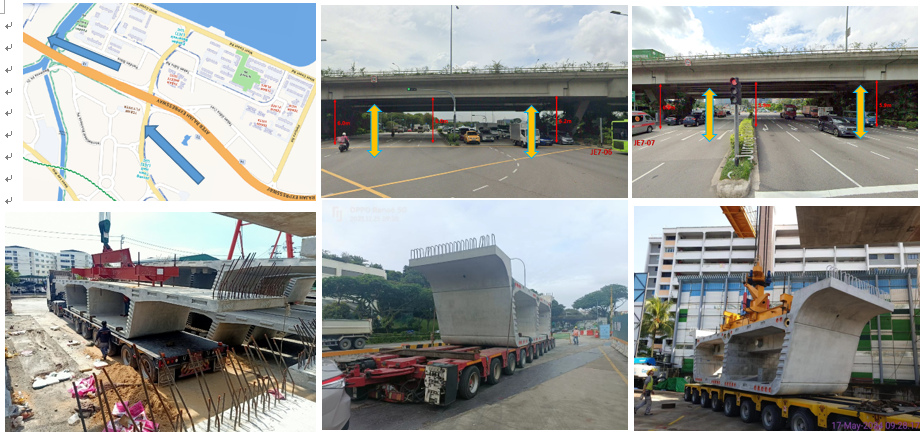
Once the beams are ready for installation, they need to be transported from the precast yard to the bridge construction area.
Transportation may involve:
Beam Transporter
Self-Propelled Modular Transporter
Heavy-Duty Trailer
Hydraulic Trailer
Specialized Transportation Equipment
Before transportation, the project team should consider:
Beam weight and dimensions
Transportation route
Road conditions
Turning radius
Bridge and road clearance
Traffic management
Lifting and loading arrangements
6. Gantry Crane Operations
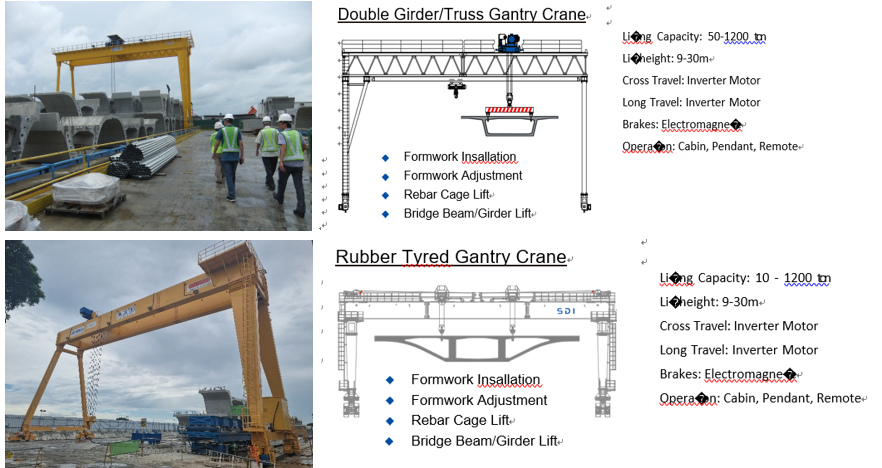
Gantry cranes are commonly used in precast beam yards for:
Beam lifting
Beam demoulding
Beam transportation within the yard
Beam storage
Loading and preparation for transportation
Important considerations include:
Crane lifting capacity
Span
Lifting height
Travel speed
Rail foundation
Power supply
Safety systems
Regular inspection and maintenance of the gantry crane are essential for safe yard operations.
7. Preparation for Girder Erection
The precast beam yard is closely connected to the subsequent girder erection process.
Before a beam leaves the yard, the project team should confirm:
Beam identification
Concrete strength
Dimensional inspection
Lifting points
Transportation arrangement
Erection sequence
Destination location
Required lifting equipment
Proper coordination between the precast beam yard and erection team can significantly improve project efficiency.
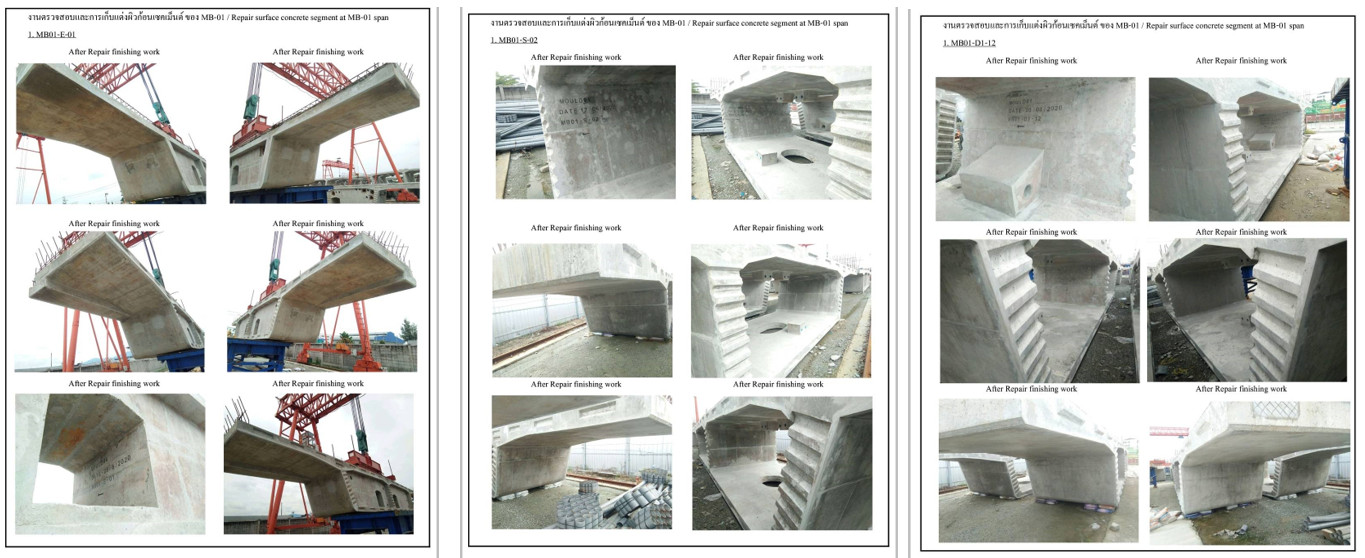
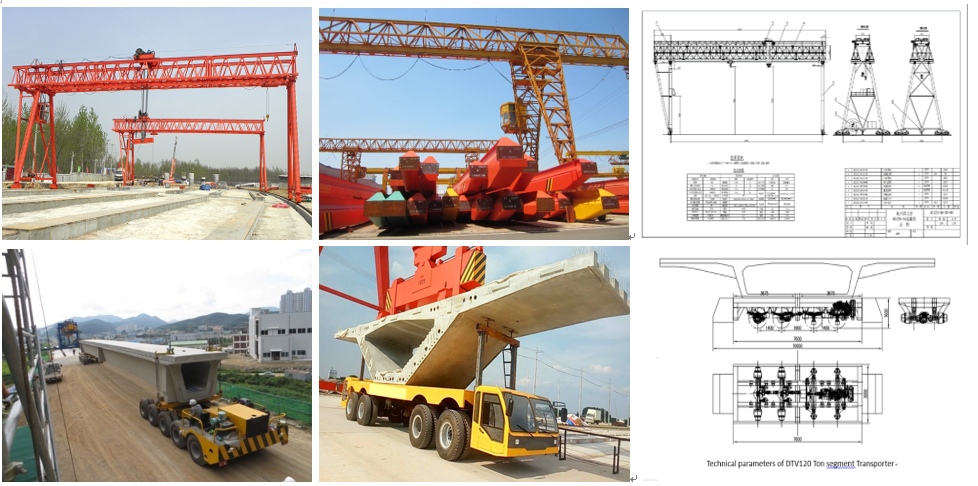
8. Precast Beam Yard Equipment
BridgeConstructionHub provides technical information and sourcing support for equipment used in precast beam yards, including:
Lifting Equipment:
Gantry Crane
Overhead Crane
Hydraulic Jack
Lifting Beam
Lifting Accessories
Beam Handling Equipment:
Beam Transporter
Heavy-Duty Trailer
Hydraulic Trailer
Specialized Transport Equipment
Construction Tools:
Hydraulic Tools
Torque Wrenches
Measuring Equipment
Concrete Testing Equipment
Supporting Products:
Concrete Materials
Grouting Materials
Fasteners
Safety Equipment
Construction Consumables
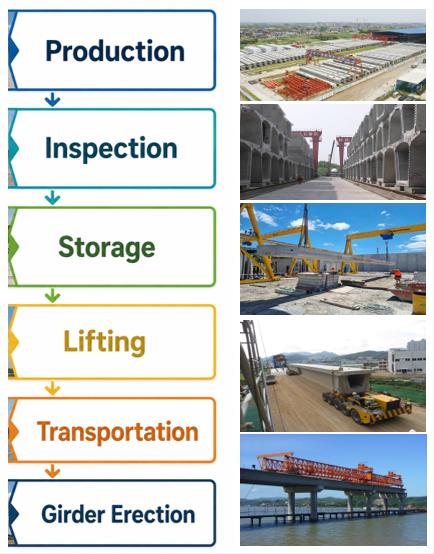
9. From Beam Yard to Bridge
A successful precast beam operation requires coordination between several stages:
 ↓
↓
Each stage affects the next. Proper planning and coordination can reduce unnecessary handling, improve productivity, and help maintain the project schedule.
10. Practical Knowledge for Precast Beam Construction
Precast beam construction is not only about producing concrete beams. Successful operations require practical understanding of:
Yard layout
Lifting equipment
Beam handling
Storage arrangements
Transportation
Construction scheduling
Safety management
Girder erection requirements
BridgeConstructionHub shares practical construction knowledge and provides sourcing support for tools, equipment, materials, and accessories used throughout these activities.